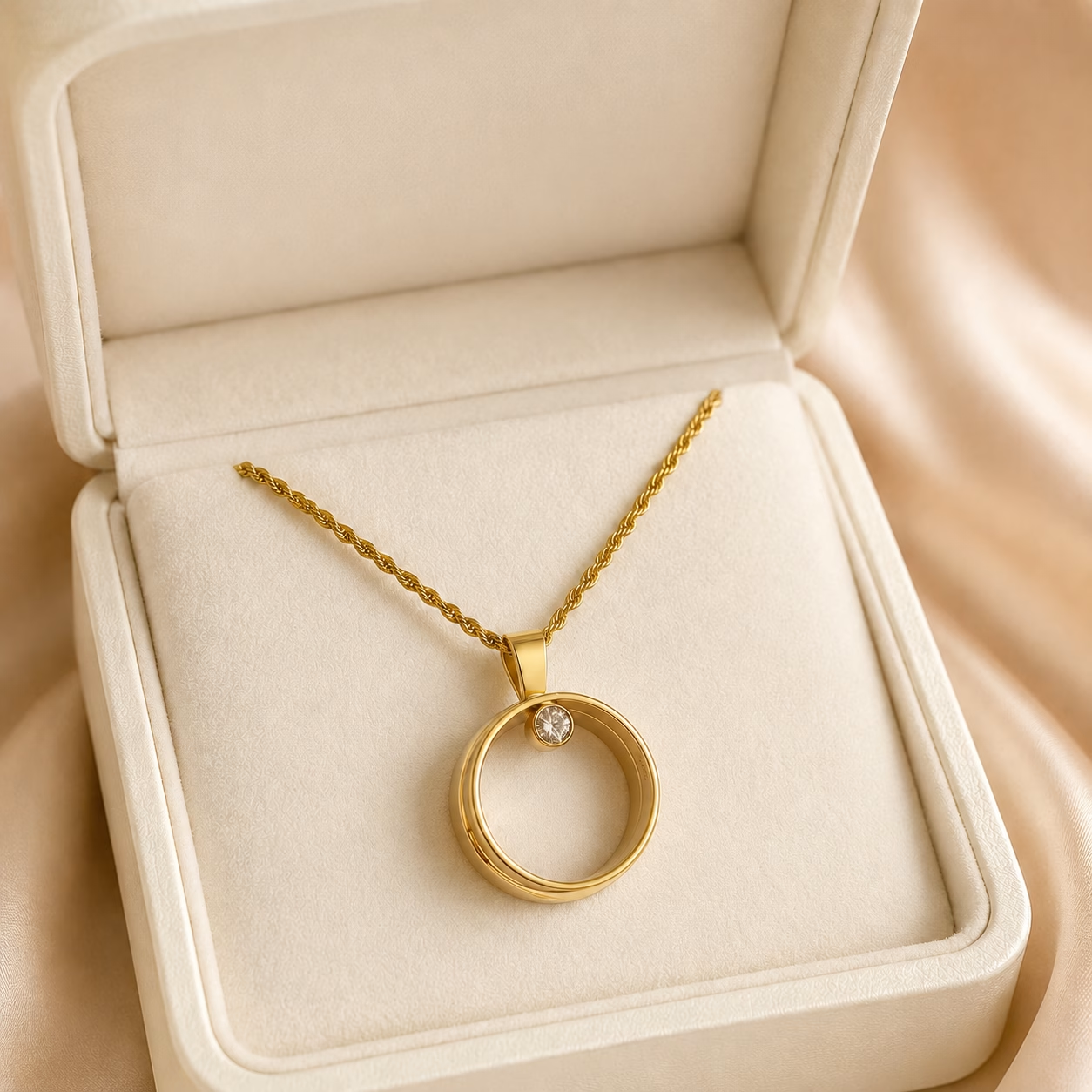
Heirloom jewellery is not about the metal weight or the carat count. It is about who wore it before you. Gold remembers who wore it. A ring your grandmother wore every day for forty years has held decades of her life. The stone in your mother’s pendant caught the light at your parents’ wedding, at your graduation, at every family dinner you can remember. These are not assets. These are artifacts.
The problem is that heirloom jewellery was designed for someone else. Her taste. Her lifestyle. Her era. A 1950s cocktail ring with a towering setting might have been perfect for your grandmother’s parties. It does not work when you are typing all day and chasing a toddler. A Victorian brooch is beautiful. It is also completely impractical when nothing you own has the structure to support a heavy pin.
So the pieces sit. They become guilt objects. You feel bad keeping them hidden. You feel worse getting rid of them. Redesign breaks the stalemate. Same stones. Same gold. A design that belongs to your life now.isplay case.
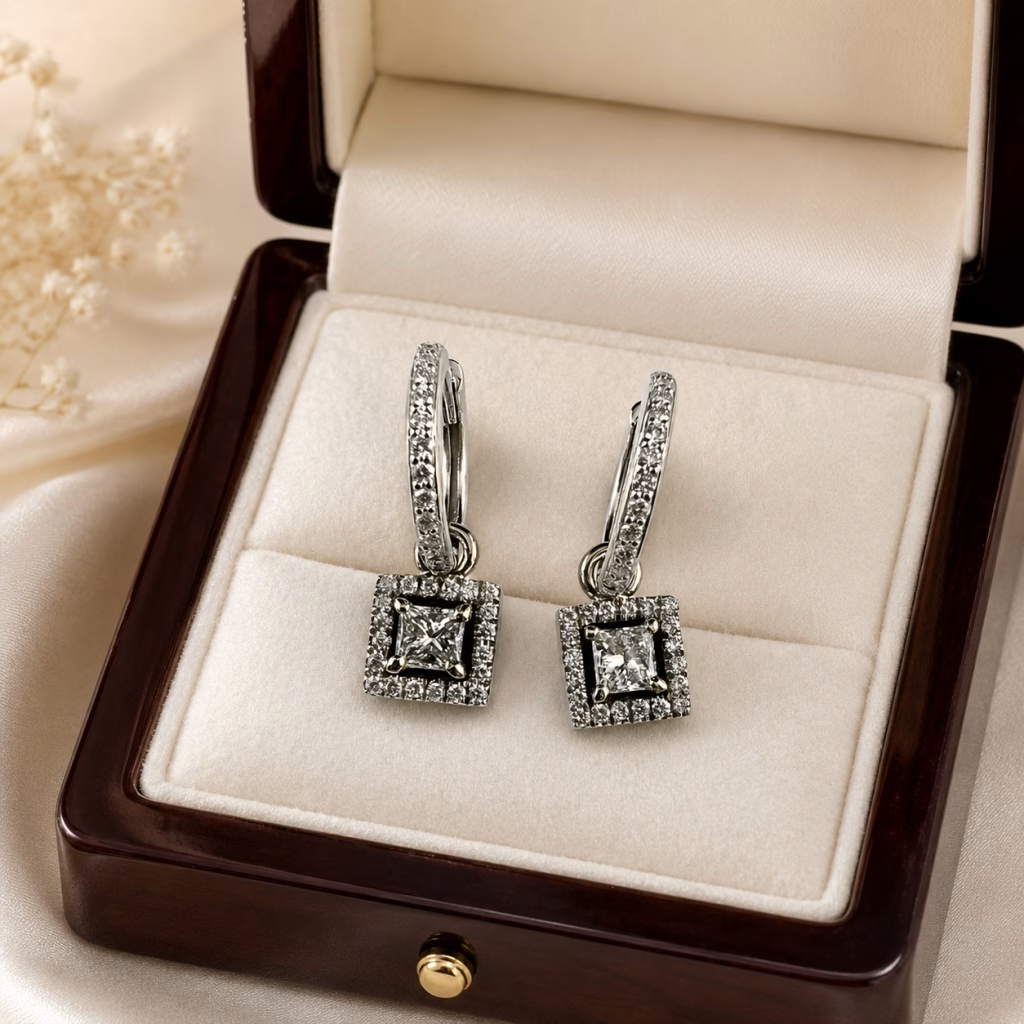
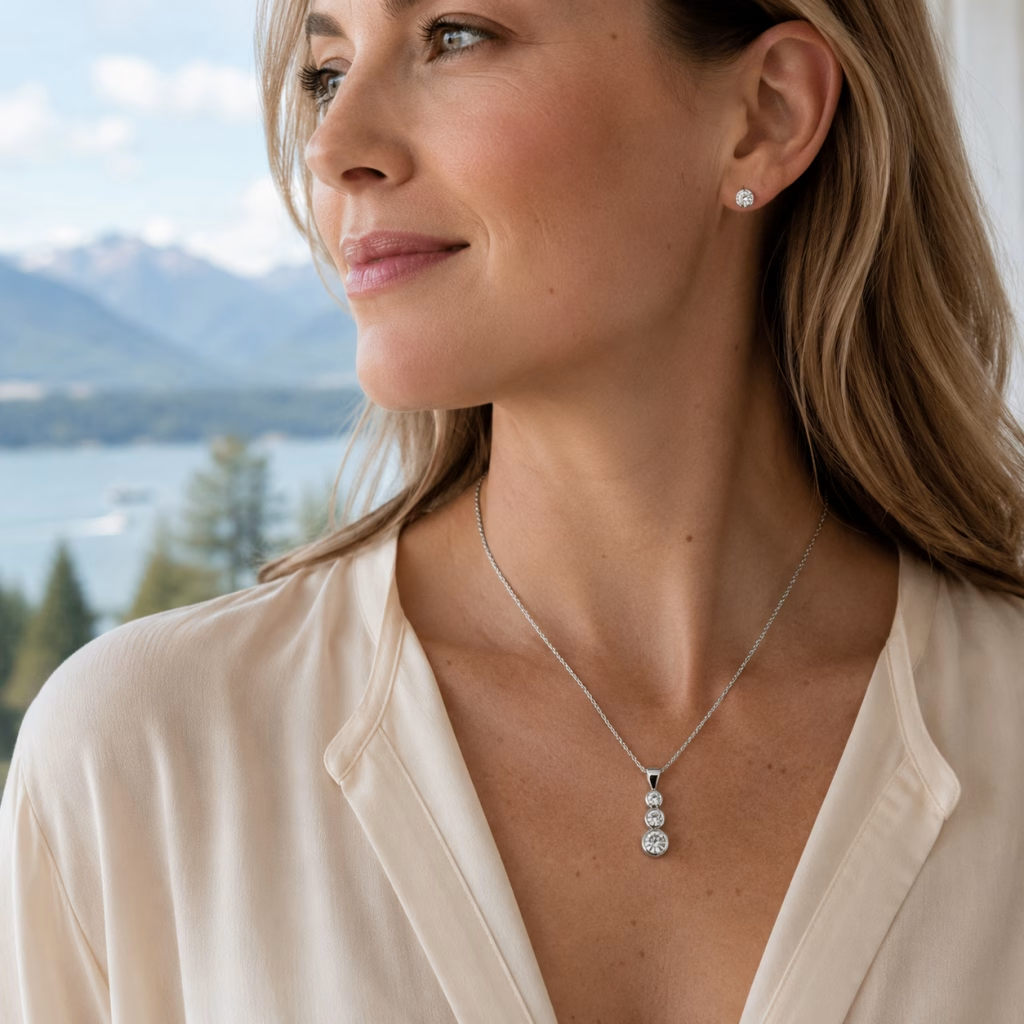
Something shifted in the jewellery world this year. Clients are walking into studios with inherited pieces and a clear directive: make this wearable. The old mindset was preservation at all costs. Keep the piece exactly as it was. Even if it sat in a safety deposit box for twenty years. Even if nobody liked how it looked. The piece was treated like a museum object, not a piece of jewellery.
The 2026 mindset is different. Jewellery exists to be worn. If a piece does not fit the wearer’s life, it is not doing its job. The most respectful thing you can do with an heirloom is put it back to work in a form that works. This is not about erasing history. It is about continuing it. Your grandmother did not want her ring to sit in a drawer. She wanted someone to wear it. Redesign is how you honour that.
The trend is driven by a few things. Younger generations inherit pieces from parents and grandparents earlier than past generations did, thanks to shifting family structures. They want to keep the connection but not the dated design. Sustainability matters too. More on that later. And the rise of custom jewellery in general has made people more comfortable with the idea of redesign. If you can create a ring from scratch, why not from stones you already own?
Every heirloom redesign project starts with the same question: what do you have and what do you actually need? Here are the transformations I do most often.
Brooches are the ultimate heirloom you never wear. Nobody pins jewellery to their blazer anymore. But the stones and metalwork in an antique brooch can be extraordinary. Better than anything you would find in a commercial jewellery case.
Brooch to pendant conversion is one of the most satisfying transformations. The brooch hardware comes off the back. The piece gets a discreet bail added. It hangs from a chain instead of pinning to a lapel. Suddenly a piece that lived in a drawer for years is around your neck every day.
I have converted art deco diamond brooches, Victorian seed pearl pins, and mid-century gold floral brooches into pendants. Each time, the client’s reaction is the same: “I did not know it could look like that.” It always could. It just needed the right change. is custom-made for the person wearing it.
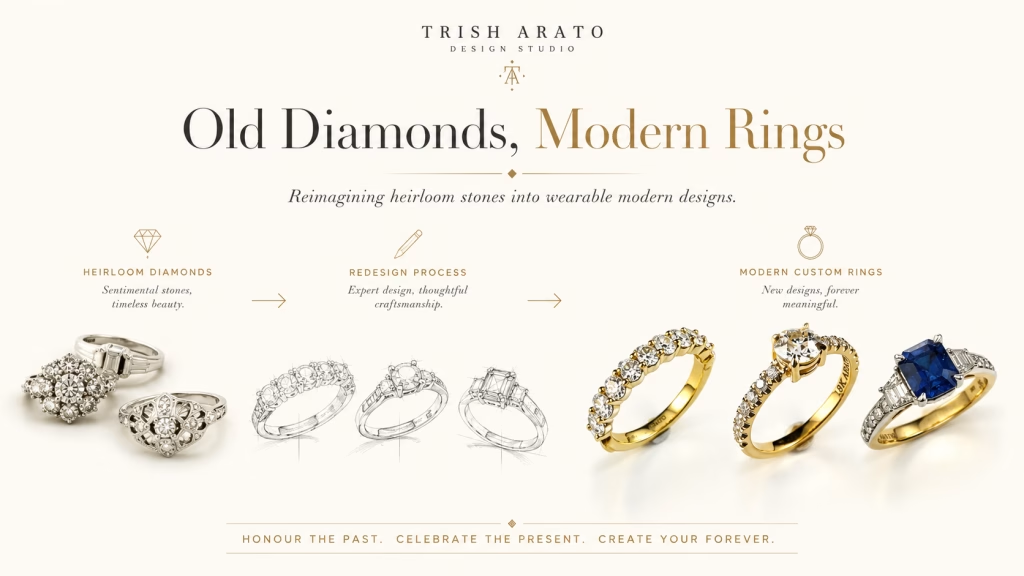
This is the most common heirloom redesign request I get. Someone inherits a ring with good diamonds but a dated setting. A heavy 1980s yellow gold mounting. A cluster style that looked right in 1972 but feels busy and chaotic now. Or an engagement ring from a marriage that ended, where the diamonds are beautiful but the ring carries the wrong associations.
The stones come out. A new ring is built around them. You can use diamonds from one ring or combine stones from multiple inherited pieces into a single new design. A three-stone ring built from your grandmother’s and mother’s diamonds, for example, carries two generations around your finger. That is not something you can buy in a store.
The setting gets designed for your hand, your style, your life. Low profile if you work with your hands. A bezel instead of prongs if you are active. White gold if you never wear yellow. The diamonds are the same diamonds. Everything else is yours.
Gold is gold. It does not degrade. It does not wear out. It can be melted, refined, and recast into something entirely new without losing quality. Recast gold closes the loop. The gold from your grandmother’s ring literally becomes your ring. Not metaphorically. The atoms are the same. The history is baked into the metal.
When I recast heirloom gold, I can combine gold from multiple pieces into one new design. Four broken chains, two single earrings, and an unworn bracelet can become a single custom ring or pendant. Pieces that had no use individually become something you wear every day. This is also the most sustainable option. No new mining. No new refining. Just the metal you already own, reshaped.
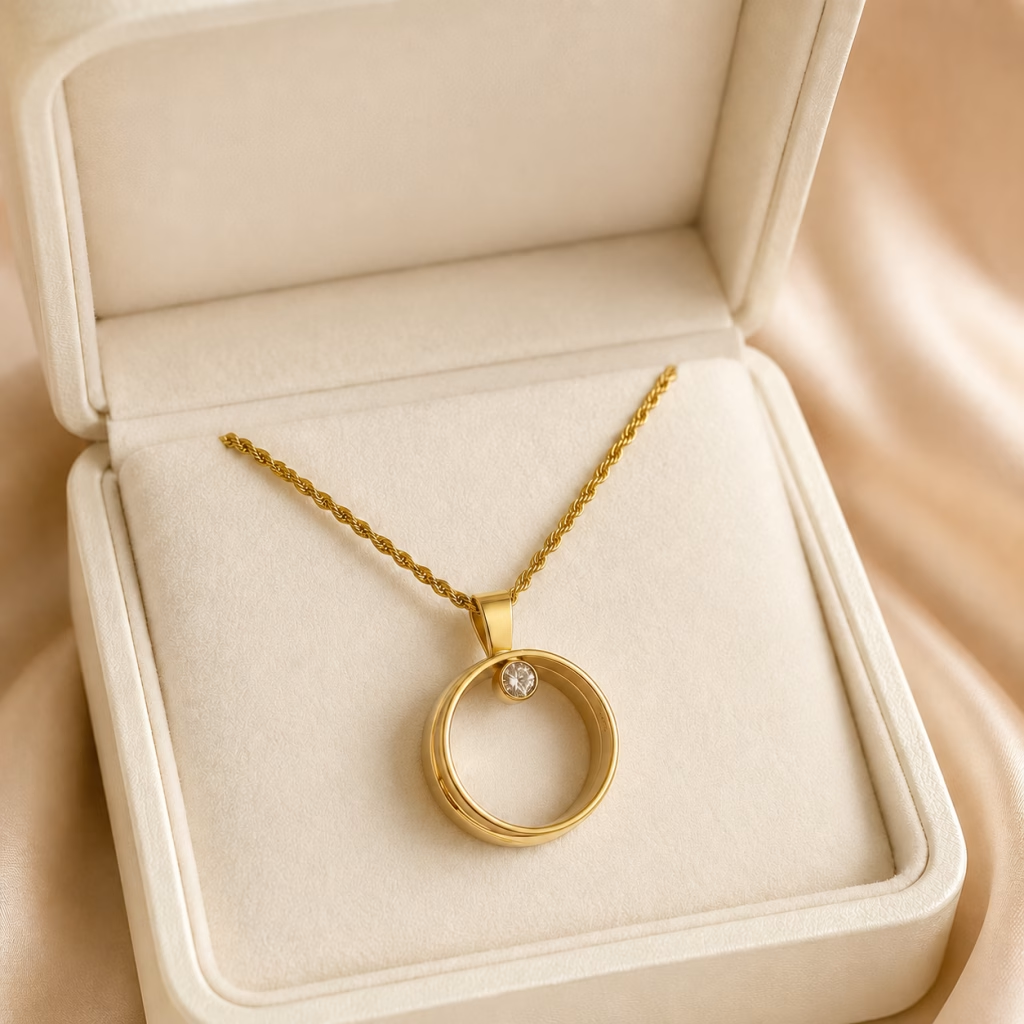
Some rings are too delicate for daily finger wear but perfect as a pendant. A thin band that would bend easily on a hand can hang securely around a neck. An ornate filigree ring that snags on everything becomes a focal piece on a chain where nothing touches it.
Single earrings happen all the time with heirloom lots. One was lost decades ago. The other sat alone in a jewellery box. A single diamond stud becomes a solitaire pendant. A single cluster earring becomes a right-hand ring. A pair of clip-on earrings from the 1960s gets converted to modern post backs. Problem solved.
Sometimes the best move is combining several heirloom pieces into a single new design. Three inherited rings with small diamonds become one tennis bracelet. A collection of gold chains becomes the material for a custom signet ring. The parts are more valuable together than they ever were apart.
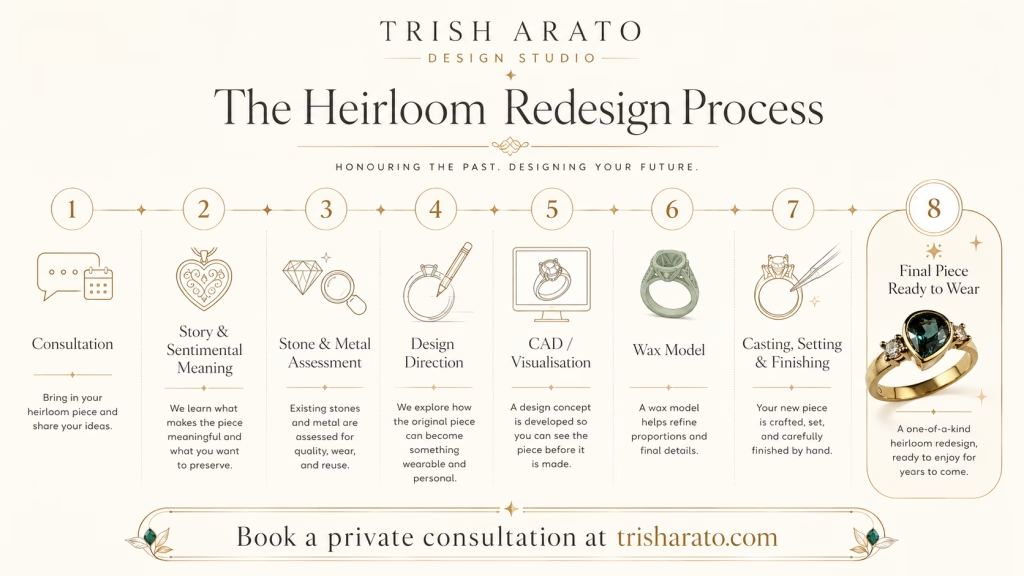
Heirloom redesign is different from designing a new piece from scratch. There is more to talk about. More to feel out. The process has to respect the original piece while making something that belongs to you now.
This matters more than a lot of people realize. Jewellery production has an environmental cost. Mining gold and diamonds disturbs ecosystems, consumes enormous amounts of water and energy, and generates significant waste. Even recycled gold often comes from large-scale refining operations with their own footprint.
Reusing heirloom gold is cleaner. No new mining. No new refining beyond what is needed to recast what you already have. The gold is already above ground. The diamonds are already cut. The carbon cost was paid decades ago. You are not adding to it.
For a family in North Vancouver who cares about sustainability, redesign hits on every level. You keep the emotional connection to the original piece. You get jewellery that fits your life. And you do it without adding to the demand for new mining.
This is not a small thing. A single gold wedding band represents roughly twenty tonnes of mined ore. Recasting your grandmother’s gold instead of buying new means that twenty tonnes stays in the ground. Across ten clients. Across a hundred. It adds up.
Some people assume selling inherited jewellery is the practical move. It is sometimes. But less often than you would think.
Jewellery resale pays poorly. Most inherited pieces sell for a fraction of their replacement value. The diamond ring that cost $5,000 retail might bring $800 to $1,200 at resale. The gold bracelet you sell for scrap will net you roughly the melt value of the metal, which is a small percentage of what the finished piece was worth.
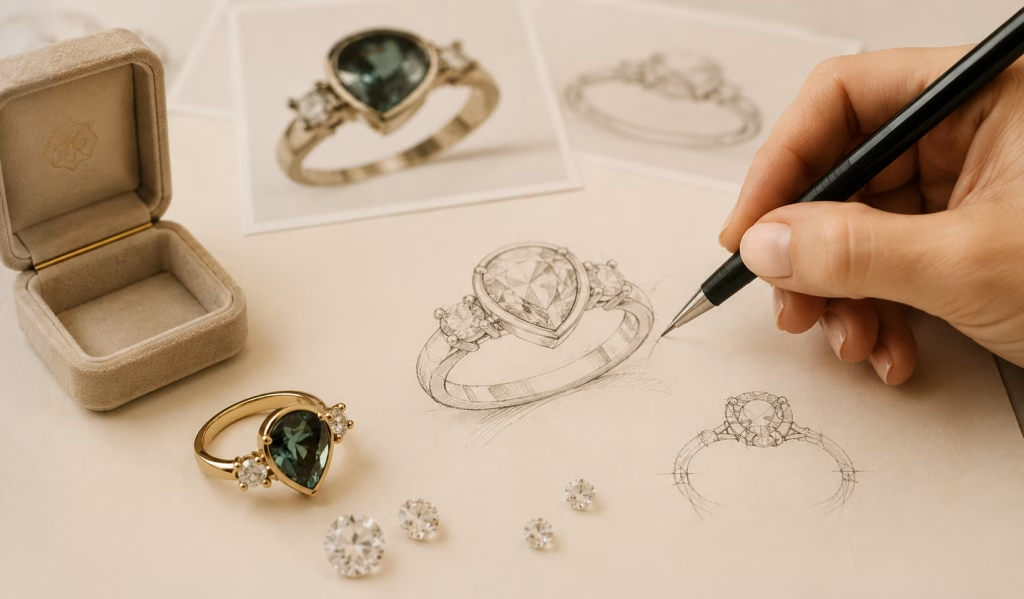
Redesign flips the math. You keep the materials. You get a finished piece of custom jewellery worth far more than the resale value of the components. And you keep the history. Selling gives you a cheque and regret. Redesign gives you something you will wear for the rest of your life.
If you have pieces you genuinely do not want and feel no connection to, selling is fine. But if the hesitation is “I just do not know how to wear it,” redesign is almost always the better answer.
Not every jeweller handles heirloom redesign well. Some will push you toward melting everything down without assessing whether any pieces should be preserved as they are. Others will refuse to touch antique pieces at all because they do not have the expertise.
I assess every piece individually. Some heirlooms are historically or artistically significant and should be preserved intact. I will tell you that. I will also tell you when a piece is a perfect candidate for redesign: good materials, dated or impractical design, strong emotional connection but zero wearability.
My gemological training matters here. I can identify stones that a less experienced jeweller might miss or mischaracterize. I can assess whether a diamond is worth reusing based on its cut quality, not just its carat weight. I can spot an antique cut that deserves a specific kind of setting to show it at its best. And because I am the person doing the design, the CAD review, and the quality inspection, nothing gets lost in translation between departments. I am accountable for the whole result. That matters when you are handing me pieces that cannot be replaced.

North Vancouver has a particular profile when it comes to heirloom jewellery. Established families. Properties that have been held across generations. Jewellery that has been passed down through parents and grandparents who lived in the same community for decades.
These pieces tend to be higher quality than average. More natural diamonds. More solid gold. Fewer commercial-grade pieces purchased in shopping malls. The materials are worth redesigning because the materials are good.
North Vancouver clients also tend to be thoughtful about sustainability. The environmental angle lands here. These are families who care about where things come from and what it costs to make them. Reusing heirloom materials instead of buying new fits their values.
My Ladner Village studio is a comfortable drive from North Vancouver. About forty minutes across the Alex Fraser Bridge and through the tunnel, or across the Queensborough. Clients come to me from North Van, West Van, Vancouver, Burnaby, Richmond, and across the Lower Mainland. A private consultation in my studio is worth the drive. No distractions. No showroom pressure. Just you, your pieces, and a conversation about what comes next.
Heirloom redesign costs vary widely because every project is different. The variables: how many stones are being reused, whether the gold is being recast, the complexity of the new design, and whether any new materials are needed to supplement what you already own.
Recasting your gold saves money. You are not paying for new metal. You are paying for the refining and casting labour. Repurposing your own diamonds eliminates the stone cost entirely. You are paying for the design, the setting labour, and any new materials.
A simple redesign, like converting a brooch to a pendant, is relatively quick and affordable. A full ring redesign using heirloom diamonds and recast gold costs more but still significantly less than the same ring made from all-new materials. And you end up with custom jewellery that fits your life. I discuss numbers openly during the consultation. You know what things cost before any work begins.
Bring your jewellery box. Bring the pieces you never wear but cannot let go of. Bring the stories. We will figure out what stays as it is, what gets redesigned, and what that redesign looks like.
I work one on one from my private studio in Ladner Village. When you sit down with me, you are the only client in the room. No interruptions. No rush. Just your jewellery and a conversation about what it can become.
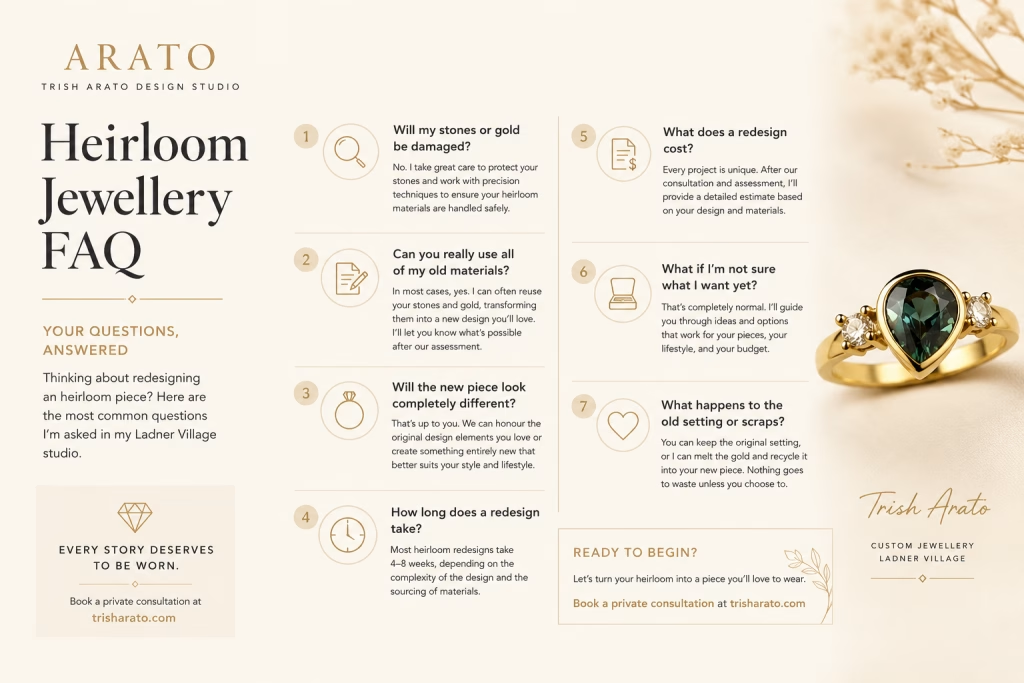
Most can. The limiting factors are material quality and stone condition. A piece with severely damaged stones or plated base metal is not a good candidate. But solid gold jewellery with genuine gemstones is almost always redesignable. Some pieces are historically significant and worth preserving intact. I assess every piece individually and tell you honestly which category yours falls into.
It depends on the piece. A mass-produced ring from the 1970s with a dated setting has minimal resale value and redesign typically increases what the piece is worth to you as wearable jewellery. A rare signed antique in original condition might have collector value. I will tell you if your piece is one of those. For most inherited jewellery, the sentimental value far exceeds the market value, and redesign makes it useful again.
Four to six weeks is typical from consultation to delivery. A simple conversion like a brooch to pendant can be faster. A complex multi-stone redesign with recast gold takes the full timeline. I give you a clear estimate during the consultation.
Yes. Gold can be melted, refined, and recast into a new design without losing quality. I can combine gold from multiple pieces into one new piece. This is the most sustainable option and it keeps the literal material history intact. The atoms in your new ring are the same atoms from your grandmother’s ring.
That is one of the best uses of heirloom redesign. Diamonds from a grandmother’s ring and a mother’s pendant can become a single new ring, a pendant, or a pair of earrings. Pieces that had no individual use become something you wear every day.
Yes, and this is one of the most popular transformations. The pin hardware is removed from the back. A discreet bail is added. The piece hangs from a chain. An unworn brooch becomes a daily-wear pendant.
No. We inventory everything and decide together which stones go into the new piece. Some stones may be too damaged to reuse. Others may not fit the design direction. Any stones not used in the new design are returned to you.
Yes. Reusing existing gold and gemstones means no new mining, no new refining beyond what is needed for recasting, and no contribution to the environmental footprint of new jewellery production. The materials are already above ground. You are putting them back to use instead of adding to demand for newly mined resources.
The cost depends on the complexity of the new design, how many stones are being reset, and whether the original gold is being recast. Recasting your own gold eliminates the cost of new metal. Repurposing your own stones eliminates stone costs. You pay for design, labour, and any new materials needed. I discuss all costs openly during the consultation before any work begins.
A gemologist can accurately identify and assess every stone in your piece. Antique cuts, older diamond grades, and period-specific stone treatments require expertise to evaluate correctly. I can tell you which stones are worth reusing, which need special handling, and whether your piece has historical value that warrants preservation. A jeweller without gemological training might miss details that affect the redesign decision.
Yes. My Ladner Village studio is about forty minutes from North Vancouver. I serve clients from North Vancouver, West Vancouver, Vancouver, Burnaby, Richmond, Tsawwassen, and across the Lower Mainland. The drive is worth it for a private, one-on-one consultation where you are the only client in the room.
I assess every stone under magnification during the consultation. If a stone is too damaged to reuse, I let you know and explain why. Those stones are returned to you along with any unused materials. Nothing is discarded without your knowledge and consent.
Learn more about gemstones and custom jewellery in my birthstone guide.