
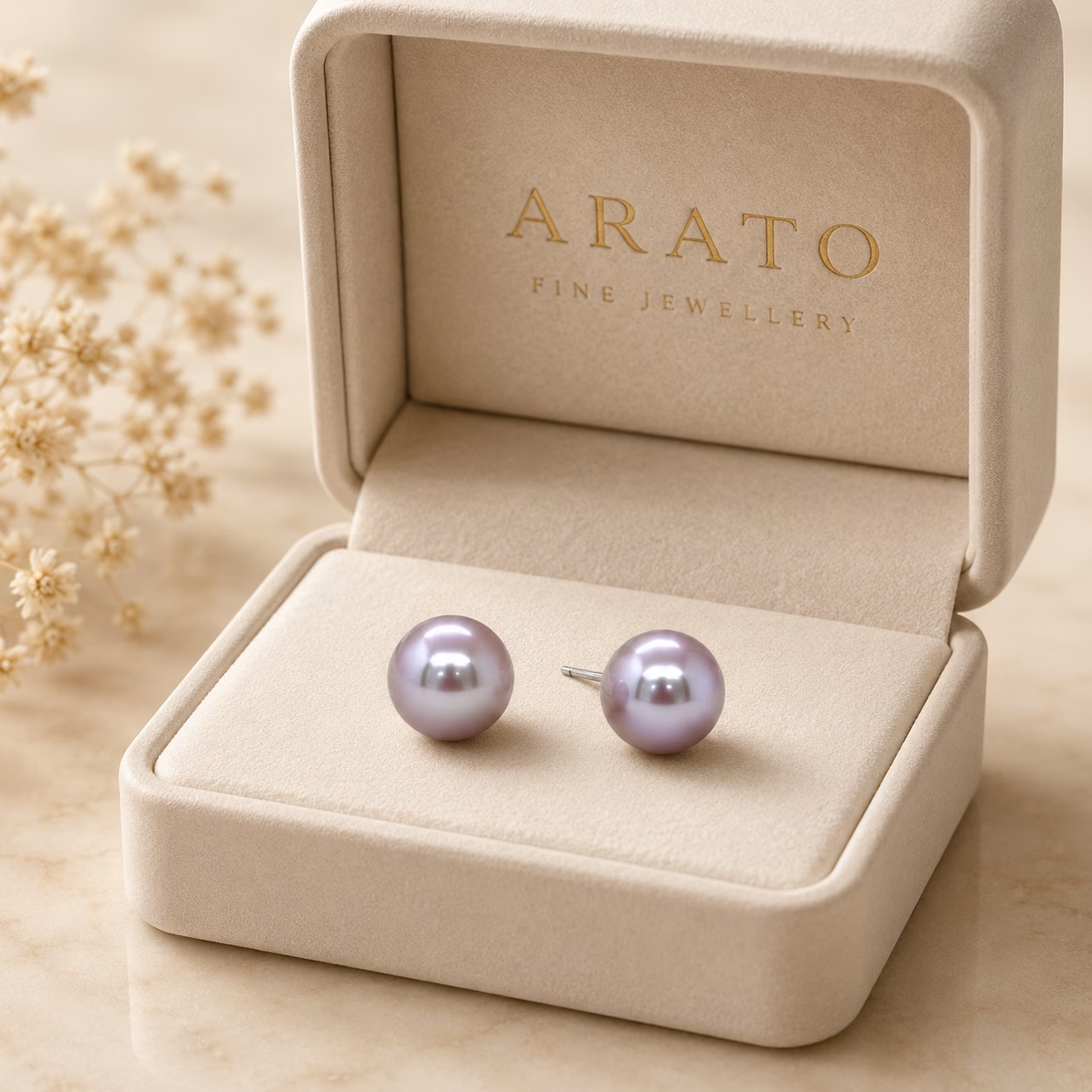
One of the most common questions I hear in my Ladner Village studio is, Can I wear my pearls every day? The short answer: yes, you can, but you need to understand what pearls can handle and what they cannot.
I have spent over 25 years helping clients across the Lower Mainland choose, care for, and redesign pearl jewellery. As a Fellow of the Canadian Gemmological Association and a Graduate Gemologist with the GIA, I look at pearls differently than most jewellers do. I see the nacre quality, the drill holes, the lustre, and the potential before I see anything else. From a fresh pair of Akoya studs to a grandmother’s three-strand necklace that has not been touched in decades, I have seen it all. Pearls are some of the most sentimental pieces that come through my door, and I want you to wear yours with confidence, not fear.
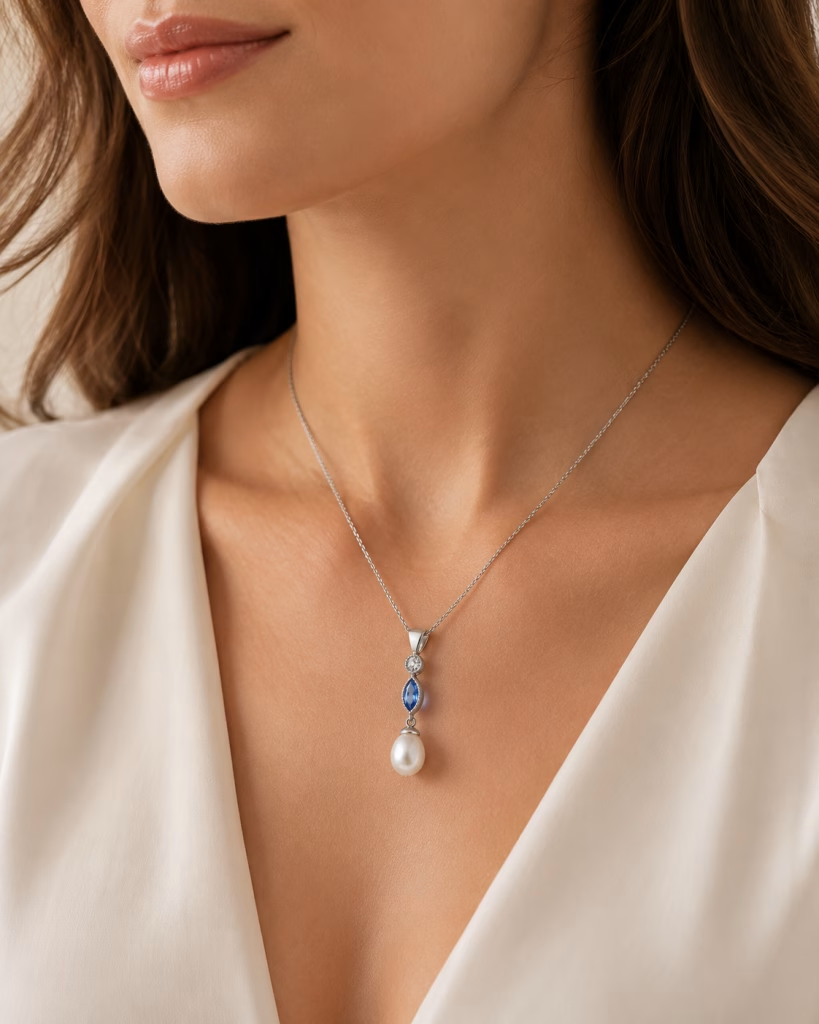
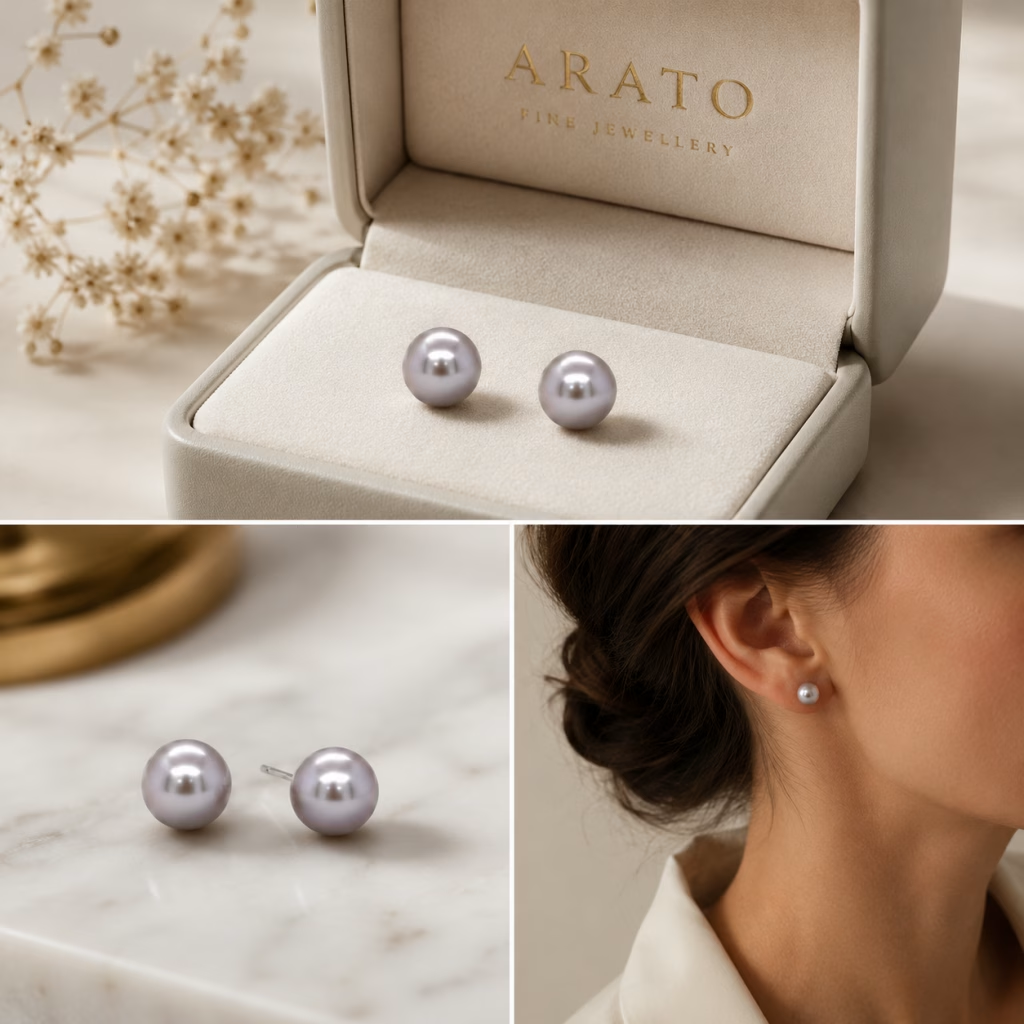
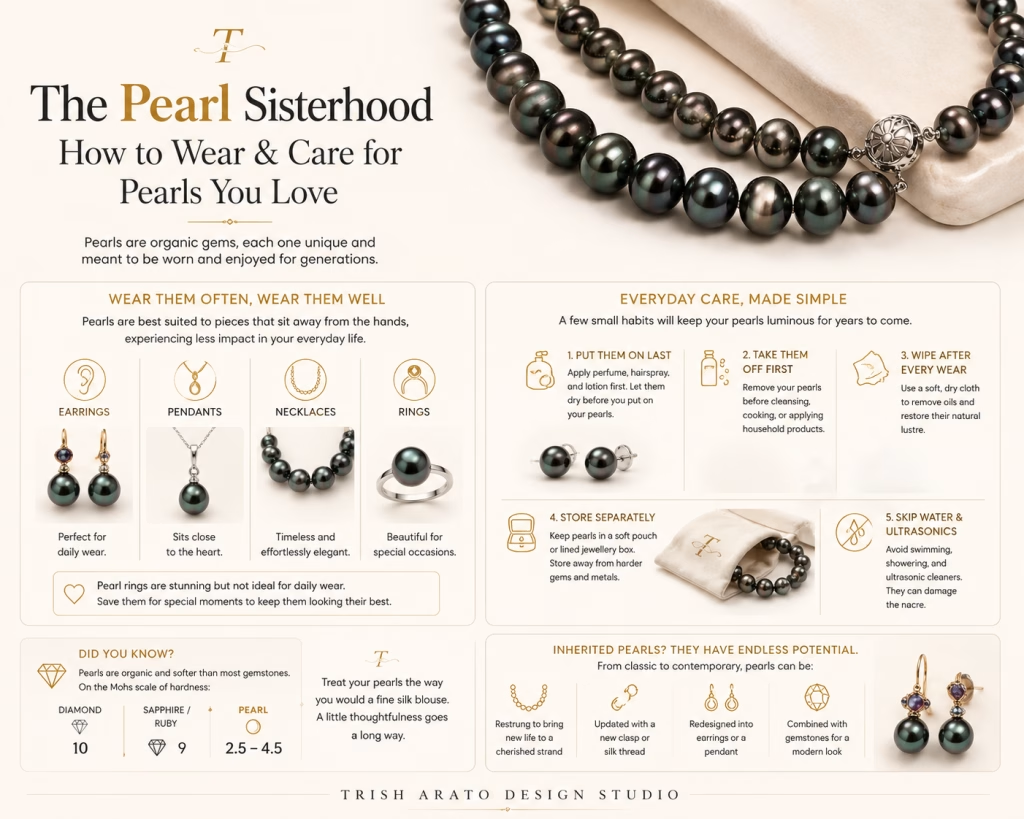
Pearls are organic gems. Unlike sapphires, diamonds, or emeralds, which form underground over millions of years, pearls grow inside living mollusks. That organic origin gives them their unmistakable lustre, but it also makes them softer. On the Mohs scale of mineral hardness, diamonds sit at a 10. Sapphires and rubies are a 9. Pearls land between 2.5 and 4.5. That is a significant difference. A pearl will scratch more easily than a diamond or sapphire, and it can be damaged by acids, chemicals, and even prolonged dryness. This does not mean pearls are fragile. It means they ask for a little more thoughtfulness. I tell my clients: treat your pearls the way you would treat a fine silk blouse. You wear it often, you love it, but you do not throw it in the washing machine.
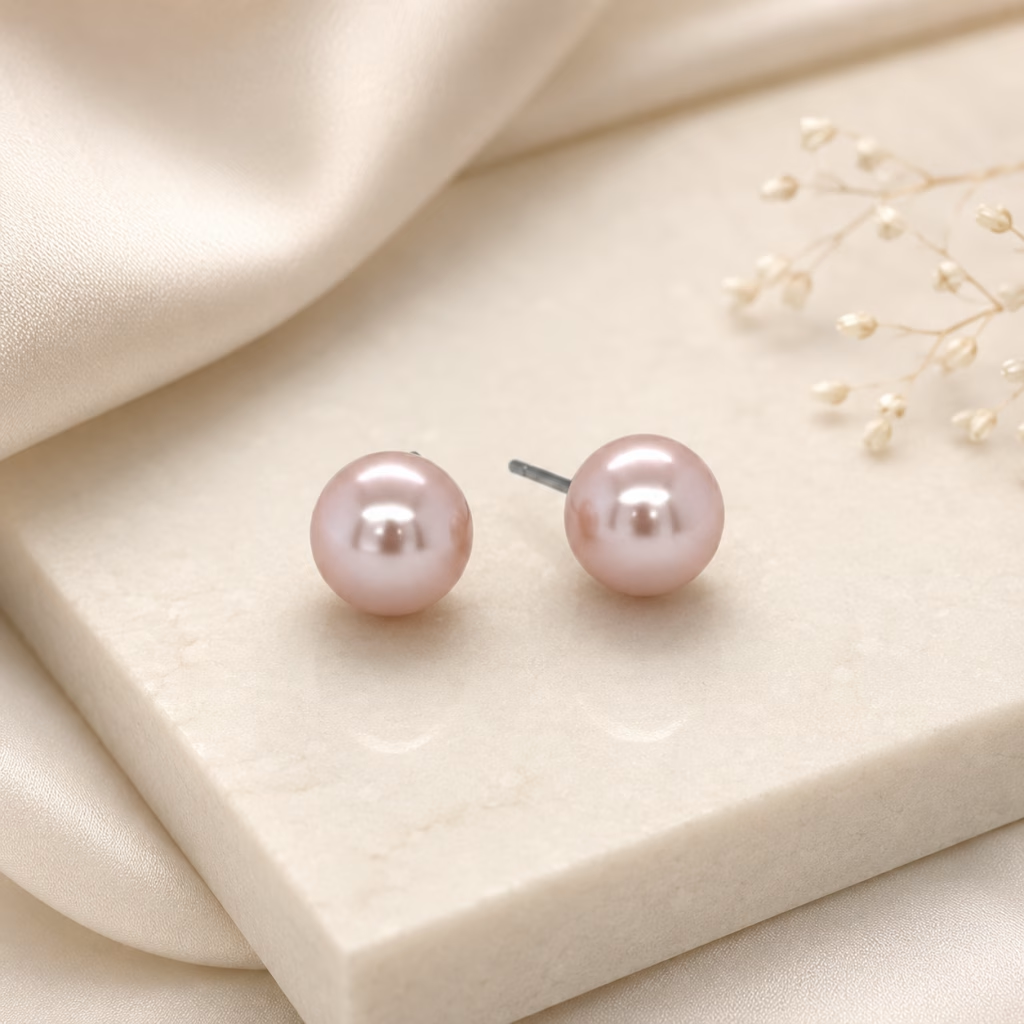
Pearls are naturally suited to pieces that sit away from the hands. Earrings, pendants, and necklaces take far less impact than rings do. They are not knocking against desks, door handles, or shopping carts all day. That is why I often recommend pearls for these pieces when a client wants something they can wear regularly. A pair of custom pearl stud earrings is one of the most versatile pieces you can own. They work with a blazer for a client meeting in downtown Vancouver,
and they look just as right with a linen dress at a Tsawwassen wedding. A pearl pendant on a fine chain sits close to the heart and takes almost no abuse. These are the kinds of pieces that get worn year after year. I have designed custom pearl earrings and pendants for clients from Richmond to Coquitlam, and I always walk them through what to expect. With basic care, a well-set pearl earring or pendant will last a lifetime.
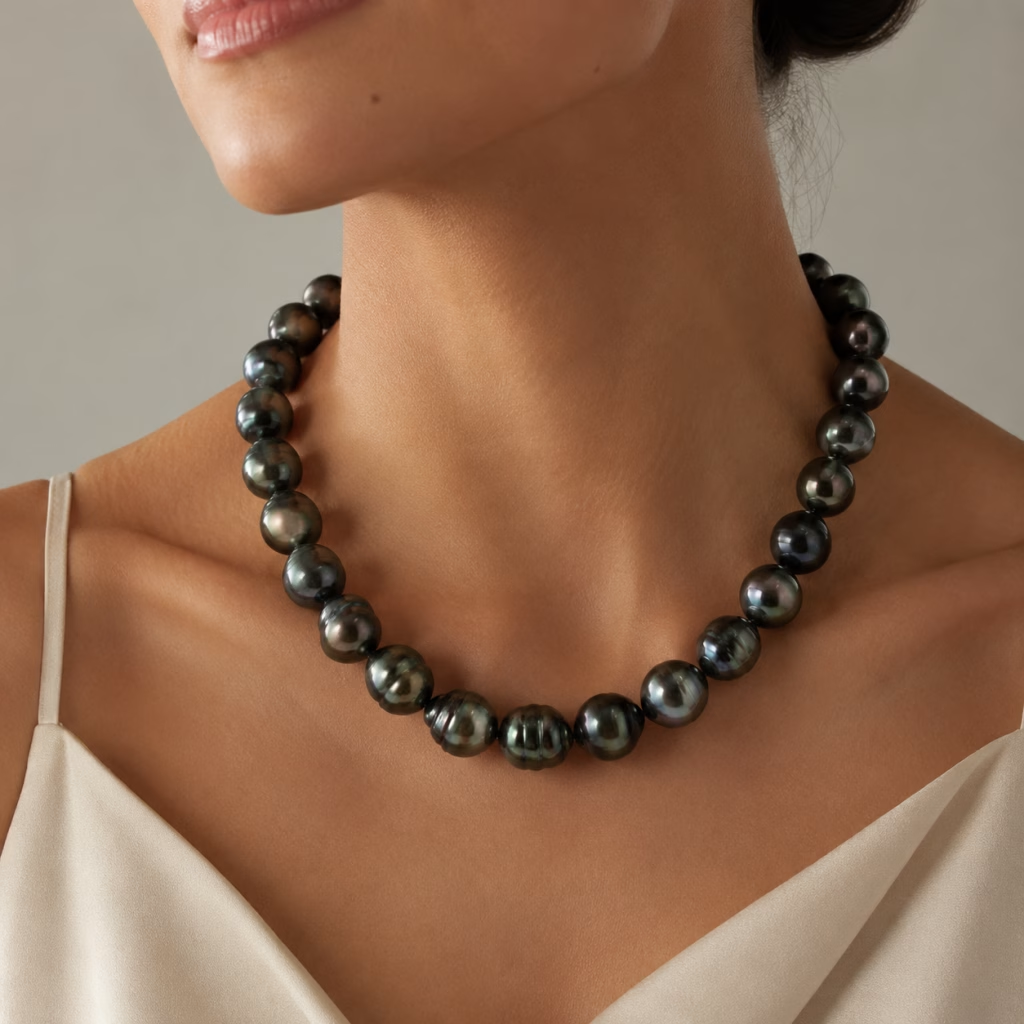
This is where I get more specific with my clients. Pearl rings are beautiful, but they are not hard daily-wear rings. If you want a ring you never take off, a pearl is the wrong choice. I say that not to discourage you, but to set you up for success. A pearl ring can absolutely work as an occasional-wear piece.
I have designed pearl cocktail rings, pearl-accent bands, and rings with bezel-set pearls that offer more protection. But I always have an honest conversation about expectations. A pearl on your finger will show wear faster than a pearl on your earlobe. If you are willing to save it for special outings and treat it gently, it can be a stunning addition to your collection. For clients who want a ring with organic beauty they can wear daily, I often guide them toward moonstone or a well-cut cabochon sapphire instead. Same soft glow, far more durability.lly be worn.
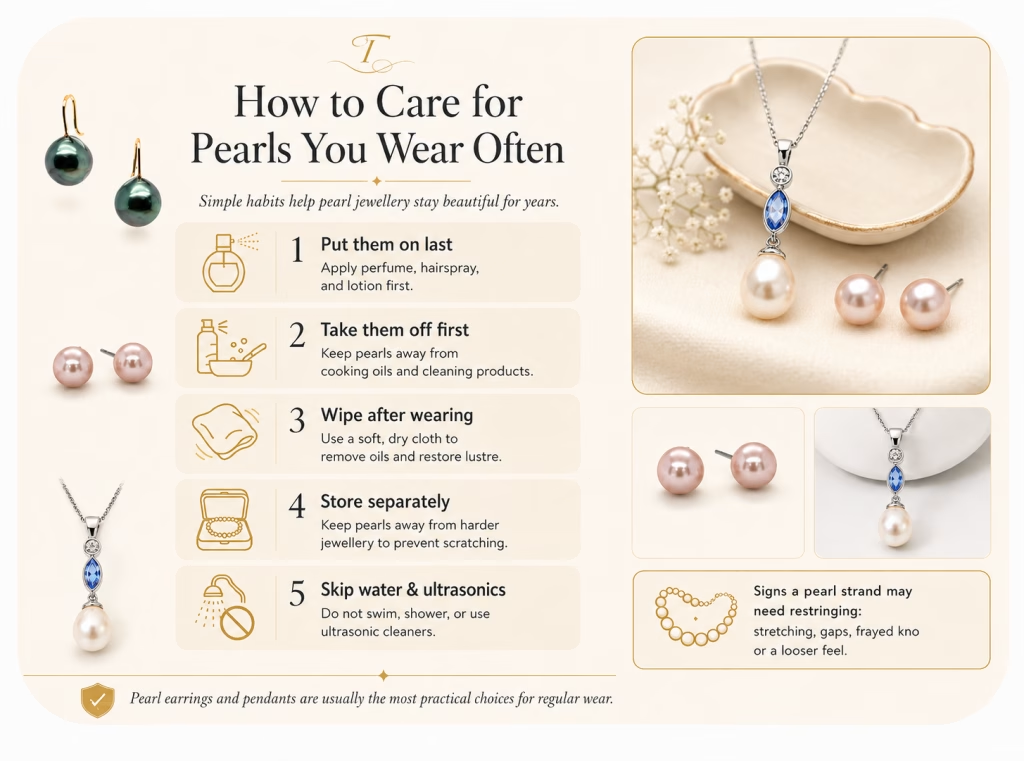
Pearls reward good habits. Here is the care routine I teach every client who walks out of my Ladner studio with a pearl piece: Put your pearls on last. Perfume, hairspray, body lotion, and cosmetics all contain chemicals that can dull a pearl’s lustre over time. Apply everything first, let it dry, then put on your pearls.
Take them off first. When you get home, your pearls should be the first thing you remove, not the last. This keeps them away from cooking oils, cleaning products, and whatever else your evening holds.
Never swim, shower, or sleep in your pearls. Water, especially chlorinated or salt water, can weaken the silk thread in a pearl necklace. Chlorine can pit the pearl surface. And sleeping in any jewellery increases the risk of snagging, tangling, or breakage.
Wipe them down. After wearing, a quick buff with a soft, dry cloth removes body oils and restores the natural glow. Nothing fancy needed. Just a clean, lint-free cloth.
Store them separately. Pearls can scratch against harder jewellery. Keep them in a soft pouch or a dedicated compartment in your jewellery box. Do not toss them into a drawer with rings and chains.
Avoid ultrasonic cleaners. The vibrations can crack or shatter pearls. A gentle wipe is all they need. These are small habits, and once they become routine, you stop thinking about them. My clients throughout the Lower Mainland tell me they appreciate knowing the rules. It takes the guesswork out of wearing pearls and lets them enjoy their jewellery without worry.
Silk is the traditional material for stringing pearls, and for good reason. It drapes beautifully, it feels luxurious against the skin, and it is gentle on the pearl drill holes. But silk stretches and degrades over time. If you wear your pearl necklace often, the thread will eventually need to be replaced. How do you know it is time? Look for these signs:
This is some of my favourite work. A client walks into my Ladner studio with a box of pearls from their mother or grandmother. The necklace is yellowed, the clasp is dated, and the style has not been worn in thirty years. But the pearls themselves are still beautiful. The first thing I do is assess the pearls. I look at their lustre, surface quality, shape, size, and drill holes.
Organic gems age differently than mineral gemstones, and not every inherited pearl is salvageable. But most are. From there, we talk about what makes sense for the client. Sometimes a simple restring and clasp update is all it takes to make the necklace feel current again.
Other times, the pearls deserve a full redesign. I have taken a grandmother’s single-strand pearl necklace and turned it into a modern tin-cup necklace with spaced pearls on a fine chain. I have paired inherited pearls with new gemstones, like a pearl and aquamarine pendant for a June and March birthstone combination. I have reimagined an outdated pearl choker as a set of drop earrings and a bracelet. Each project starts with the pearls and the story behind them, and builds from there.
If you have inherited pearls sitting in a drawer somewhere in Langley, North Vancouver, or anywhere in the Lower Mainland, bring them in. I would love to help you decide what they could become.
Can I wear pearl earrings every day? Yes. Pearl studs and drop earrings are among the most daily-wear-friendly pearl pieces. Just follow the care rules: put them on after hairspray and perfume, take them off before bed, and wipe them down after wearing.
Do pearls get damaged by sweat? Over time, yes. Body oils and sweat can affect the lustre of pearls and weaken silk thread. A quick wipe with a soft cloth after wearing makes a real difference.
How long does a pearl necklace last? With proper care and regular restringing every one to two years, a quality pearl necklace can last generations. I have restrung necklaces that were originally purchased in the 1940s, and the pearls were still luminous.
Are freshwater pearls more durable than Akoya pearls?
Freshwater pearls are solid nacre, while Akoya pearls have a nacre layer over a bead nucleus. Both have similar surface hardness. Freshwater pearls can be slightly more resistant to peeling or chipping because there is no nucleus to expose, but they still require the same gentle care.
Can I wear a pearl ring as an engagement ring? I do not recommend a pearl centre stone for a ring you plan to wear every day for decades. Pearls are too soft for the kind of wear an engagement ring takes. If you love the look of pearls, consider a pearl-accented band worn occasionally, and choose a harder centre stone for the everyday ring.
How much does pearl restringing cost? The cost depends on the length of the necklace, the number of pearls, and whether you need a new clasp. I provide a clear quote before any work begins. Visit my pearl necklace restringing services page or book a consultation to get started.
What can I do with inherited pearls I do not wear? Bring them in. We can restring, update the clasp, redesign them into a completely new piece, or incorporate them into custom jewellery alongside new gemstones. Most inherited pearls have far more potential than their owners realize.
Book a Private Consultation at My Ladner Studio
I work with each client one on one, in my private Ladner Village studio. Whether you are buying your first pearl studs, restringing a necklace you have worn for years, or ready to transform inherited pearls into something that feels like yours, I would love to help.
You can reach me through my website to schedule a consultation. I serve clients from Ladner, Delta, Tsawwassen, Richmond, Surrey, White Rock, Burnaby, New Westminster, Coquitlam, Langley, North Vancouver, West Vancouver, and throughout the Lower Mainland. Book Your Free Consultation
Learn more about gemstones and custom jewellery in my birthstone guide.